John 15:6-8
Separation- The withering branch
Without Jesus, we find ourselves distanced from the Father, lost in a void where connection and belonging feel elusive. He stands as the sole bridge spanning that chasm, offering us a way back into a relationship with the divine. Jesus, the last and ultimate sacrifice, made a profound and lasting atonement for our sins, erasing the barriers that separate us from grace. He embodies the essence of purity and perfection, often referred to as the Perfect Lamb, whose selfless act brings hope and redemption to all who believe.
Scripture reference: 1 Peter 1:13-21, “Therefore gird up the loins of your mind, be sober, and rest your hope fully upon the grace that is to be brought to you at the revelation of Jesus Christ; as obedient children, not conforming yourselves to the former lusts, as in your ignorance; but as He who called you is holy, you also be holy in all your conduct, 16because it is written, “Be holy, for I am holy. And if you call on the Father, who without partiality judges according to each one’s work, conduct yourselves throughout the time of your stay here in fear; knowing that you were not redeemed with corruptible things, like silver or gold, from your aimless conduct received by tradition from your fathers, but with the precious blood of Christ, as of a lamb without blemish and without spot. He indeed was foreordained before the foundation of the world, but was manifest in these last times for you who through Him believe in God, who raised Him from the dead and gave Him glory, so that your faith and hope are in God.”
Because of Christ’s sacrifice, we can come to the Father through Jesus.
When something is going to hinder the body, it should be removed and burned
Why did Jesus use the word fire?
- Fire has multiple uses, including purification to remove impurities and fortification, but it can also be used to destroy.
Let’s look at it with a spiritual perspective
- When God destroys something, only ashes are left, indicating a return to the dust of the earth.
- Meaning internal separation, the true death (hell)
When Christ instructs us to burn away the obstacles in our lives, He is not merely advocating for destruction; He is inviting us into a transformative process. This act symbolizes both the annihilation of what holds us back and the purification necessary for new growth. By removing these hindrances, we create space for renewal and revitalization. If we allow ourselves to be weighed down by these barriers, we will struggle to realize the abundant potential God has designed for us. Only by shedding these encumbrances can we truly align ourselves with His purpose and operate effectively within His divine will.
Is there anything you think is hindering you in your walk with God?
Rotten fruit
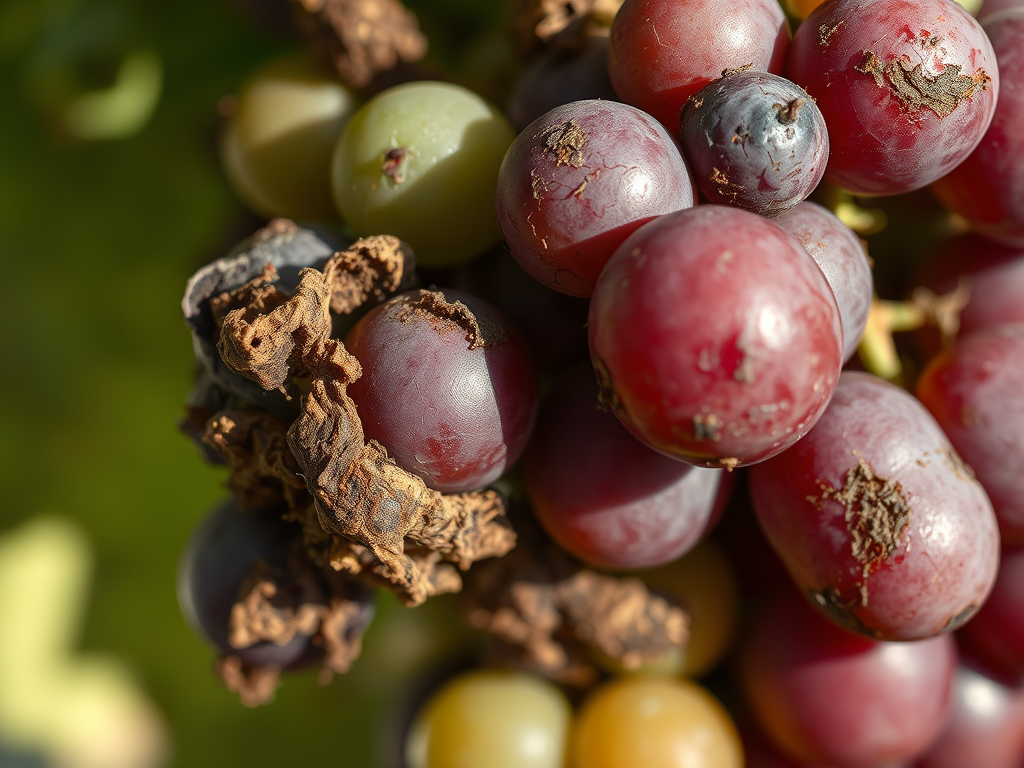
We previously discussed the issue of overgrowth, which can impede plant maturity. But what about rotten fruit? Healthy fruit is not contagious, but it motivates the farmers to continue nurturing the vines and branches. Rotten fruit is a dangerous problem. If one piece of fruit begins to rot and comes in contact with another, the rot will slowly spread to the healthy fruit. This results in two rotten grapes on the same vine. If left unattended, it can eventually destroy the entire harvest. The thing about decay is that it’s a gradual process that happens over time.
How does this apply to us?
The soil- we are the maintainers
Jesus teaches us that we are like the workers in the field. We are responsible for watching what is planted and removing anything that becomes corrupted. Our role is to till the land and maintain it, while God is the owner of the Land. We must remember we will be accountable to Him at the time of harvest. God prunes the body, and it is our duty to maintain the soil.
Scripture Focus: John 15:7, “If you abide in Me, and My words abide in you, you will ask what you desire, and it shall be done for you.”
- This verse is often misunderstood or misrepresented.
- How can verse 7 be misunderstood or misrepresented?
The phrase, “Ask whatever you wish,” is the hook for many young or knowledgeable Christians. It entices people to think of Jesus as a genie, and that whatever is asked is given. But it’s in the Bible, right? Then it must be so. This is the mistake. Yes, Jesus spoke these words, but not everything of our carnal desire will be given to us. Not everything is good for you.
1 Corinthians 10:13 says, “All things are lawful for me, but not all things are helpful; all things are lawful for me, but not all will edify.”
He provides what is good for you and what will help you grow and benefit you. Many new believers come into the faith with this misconception. It gives them an unsteady foundation. We should understand that, though we ask, and we move forward with the understanding that the Father sees what we can’t. Something you may be asking God for may hinder your growth or change the path He has set for you.
Everything the Lord gives will always be for His glory.
The Narrow Path
The fruit you produce will define you. The potency depends on your willingness to put in the effort. Each fruit will contain seeds. It’s up to you to ensure these seeds aren’t corrupted.
- Matthew 7:16-20 (ESV) I like how they worded it.
- “You will recognize them by their fruits. Are grapes gathered from thornbushes or figs from thistles? So, every healthy tree bears good fruit, but the diseased tree bears bad fruit. A healthy tree cannot bear bad fruit, nor can a diseased tree bear good fruit. Every tree that does not bear good fruit is cut down and thrown into the fire. Thus, you will recognize them by their fruits.”
If your desires align with the Father’s will, it will be given to you. At times, it is given freely; at other times, it is revealed through work. The fruit will be full and flavorful through work (not with selfish intent), obedience, and passionate pursuit.
This ties into us as being vessels. If we remain in the Father’s will, allowing Him to add and remove what is necessary for us to prosper, then we overflow, spilling over and saturating the ground around us.
Have you noticed grapes are never harvested one at a time? They form a cluster held by a single piece called the rachis. It’s such a small connection to the main vine branch. If you look at the picture, it reminds me of an unbiblical cord. Through that one very small connection, it is what sustains and nourishes the grapes.
- For me, this gives me a perfect visualization of the narrow road.
- Supporting verse
- Matthew 7:14
- “Because narrow is the gate and difficult is the way which leads to life, and there are few who find it.”
- Matthew 7:14
- Supporting verse
Conclution
I encourage you to read John 15 again. If any more questions or feelings come up, write them down. We will share if you are comfortable with it. Remember, application is key in diving deeper into your relationship with the Lord.
Starter questions
- What are some things you never thought about?
- What is something you learned throughout the study?
- Are there any questions you have that you want to learn more about?
My aim with this entire study is to inspire you to take specific verses, delve into them deeply, and thoughtfully examine how their teachings relate to your present circumstances. As you reflect on these verses, consider what aspects resonate with you the most. What insights or revelations stood out? Which elements left a significant impact on your understanding or perspective?
I welcome your thoughts and comments. Please feel free to share them. If you have any questions, I would be happy to answer.



 Fragrance of Faith
Leave a comment